
Cultural Intelligence
How the message may land in another cultural environment. Eight Chameleo axes, plus storytelling, tone, speech, and visual signals.
Content Intelligence
Creative effectiveness across cultural contexts. See how clearly content communicates its intended message, how relevant and trustworthy it may feel to target audiences, and where cultural mismatch or exclusion risk may weaken impact. Get practical adaptation recommendations. Audience comparisons of original and revised cuts will test whether those changes land.
Content goes in. Content Intelligence maps narrative, emotion, symbol, aesthetic, subculture, and intent across cultural contexts.




Content Intelligence reads language, visuals, voice, behaviour, and narrative together. Each cultural lens asks one question of the scene. Two examples below.
How we identify direct and indirect communication
Content Intelligence
Direct / Indirect
How explicitly is intent expressed?
Multimodal reading of the cut
Cultural fit and DEIB each keep their own score.
How the message may land in another cultural environment. Eight Chameleo axes, plus storytelling, tone, speech, and visual signals.
Risks of discrimination, exclusion, and stereotyping. Representation, accessibility, and belonging, scored on their own.
The audit screen itself. Drag the slider to move from upload to findings.
chameleo.world/cultural-qa/new
UploadAdd a deck, still, or short video, plus what the asset should do.
One upload runs Cultural Intelligence and DEIB as separate tracks.
PDF decks, still frames (PNG, JPG), and short video (MP4, WebM). Add the source market, target market, and the content goal.
A cultural fit score with axis gaps, evidence, and red flags. DEIB findings by category, each with status, evidence, a recommendation, and confidence. One combined list of actions to try.
Four scans from one system. On each case, switch the view to see the original campaign, then the same idea after the audit.
How the content sits against the target market on eight lenses: Direct and Indirect, Low Context and High Context, Linear and Multiactive, I First and We First, Authority and Equality, Task and Relationship, Safe and Brave, Strict and Flexible.
Who appears, who has agency, who speaks and decides. Stereotyped roles, accessibility, body representation, gender, age, and other signals that can exclude.
Intended message, the signals on screen, and the reading a target audience may take away. Then a change that narrows that gap.
Case 1
Finland / Nordics to Mexico / LATAM
Found: the product message is clear, and the scene is emotionally empty. One person, a white room, almost no shared moment.
Case 2
Global / local campaign
Found: the family setting can feel familiar. Financial agency sits with one person. The other listens beside the shopping.
Case 3
United States to Japan
Found: the line can say “Be brave.” The behaviour reads as interrupting a senior colleague.
Case 4
Latin America to Finland / Nordics
Found: success is carried by a luxury car, designer clothes, and a polished interior. Where understated self-presentation is more salient, that can read as distance.
Ads that upset the people they were made for. Each card says what viewers saw, why it hurt, and what the brand did next.

The brand showed a Chinese model struggling to eat pizza and pasta with chopsticks, while a voice explained how. Viewers in China heard the brand making fun of them.
The Shanghai show was cancelled, and major Chinese shops removed the brand.
Source: Reuters
The Saudi catalogue used the same rooms as other countries, but women were edited out of the photos. Families appeared without mothers and wives.
IKEA said cutting women out of the pictures went against the company's values.
Source: BBC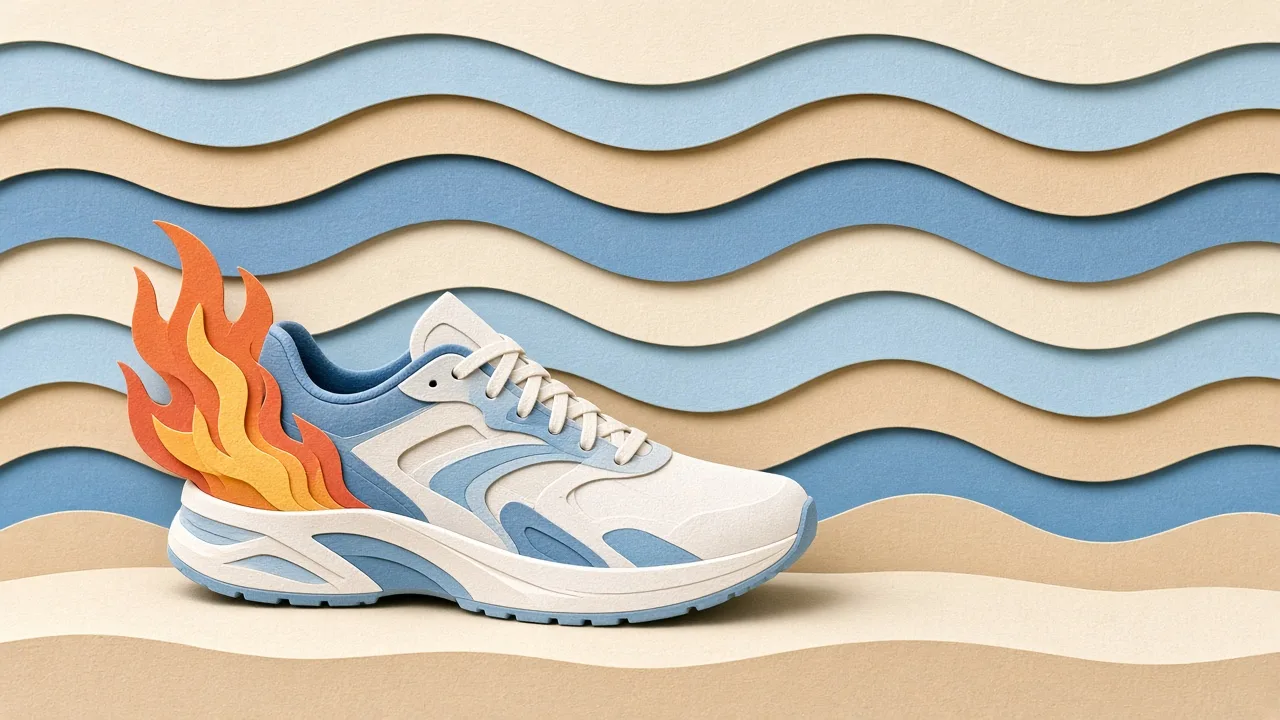
A flame graphic on the heel of Nike Air shoes looked, to many Muslim customers, like the Arabic word for God. A decoration was read as a religious offense.
After protests, Nike recalled tens of thousands of pairs and changed the design.
Source: The Washington Post
Cartoon ads showed the Ford Figo's trunk holding tied-up celebrities: a politician's rivals, and women in the back of a car. The joke treated abduction as a way to show the trunk was roomy.
Ford and the agency apologised. Ford said it had not approved the ads.
Source: BBC
The ad said 'sometimes lighter is better' while a bottle slid past Black customers and stopped at a lighter-skinned woman. Viewers said the words and the picture together carried a racist meaning.
Heineken pulled the ad.
Source: Reuters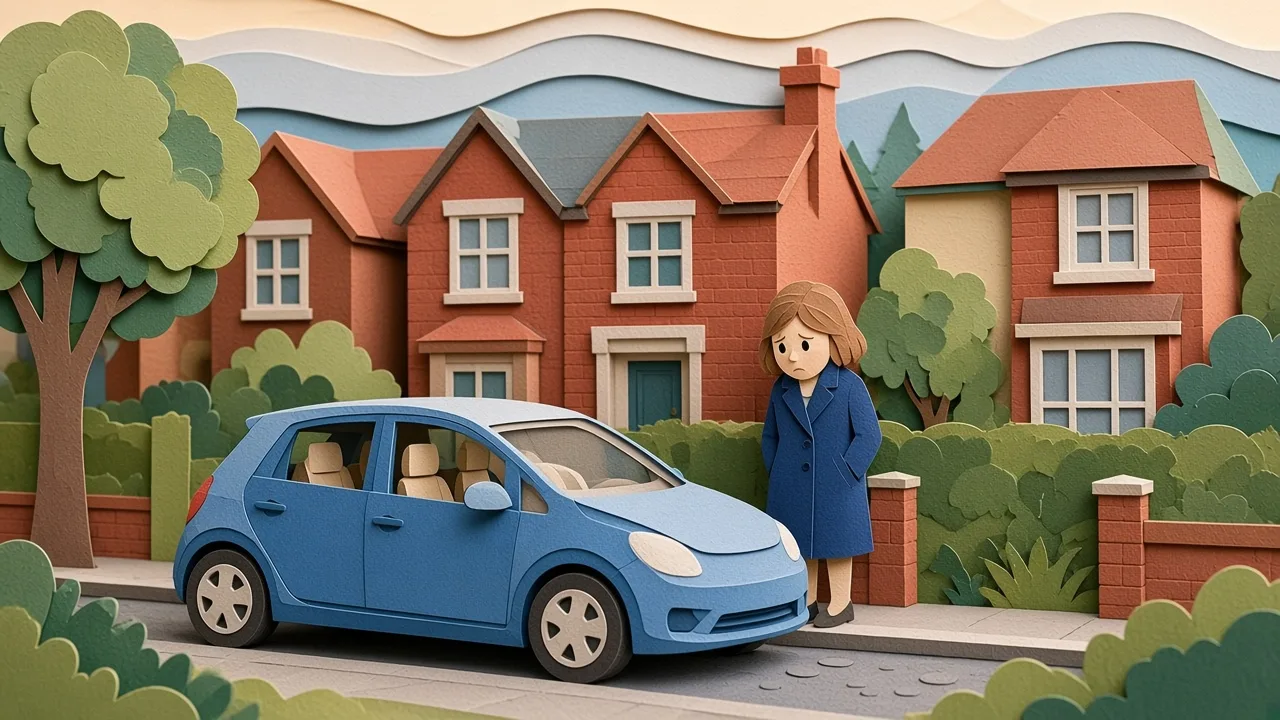
A film showed a man trying to end his life with a car exhaust. The punchline was that the car has zero emissions, so the attempt fails. Viewers said the brand turned suicide into a gag.
Hyundai removed the film and apologised.
Source: BBCSelf-serve upload is coming soon. Leave a demo request and we will walk you through a Content Intelligence review on your PDF, PNG, JPG, or short MP4 / WebM.